Kulbaken Salzman
The power of team work evident in our new GenuTrain P3
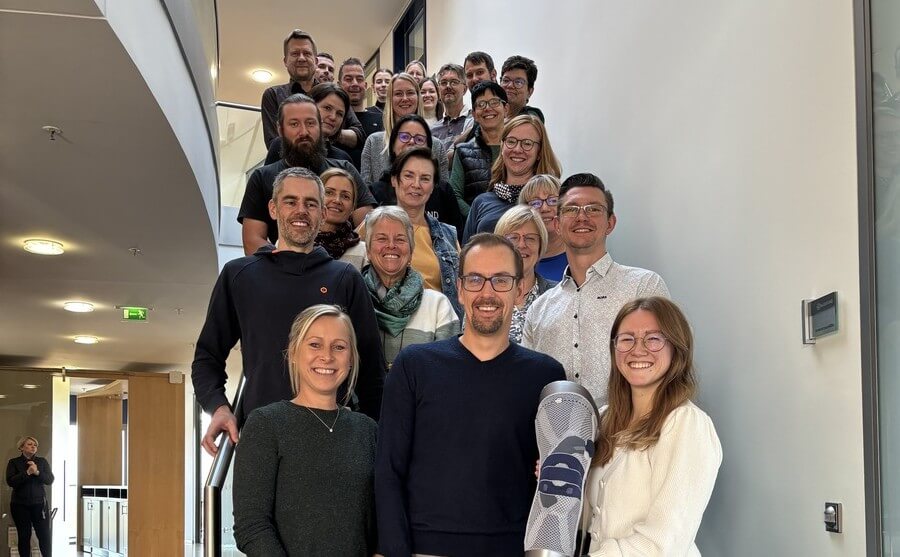
Goal achieved! The new GenuTrain P3 generation has been available since October 1. The successful completion of the project was a reason to celebrate for the entire team. Product Management Project Leader Kulbaken Salzman shared with us which parts of the knee support were improved, what challenges they had to master, and where else the “3” appeared.
Kulbaken, what’s new with the GenuTrain P3?
Kulbaken Salzman: We have completely revamped our knee support for patella problems. It now features a corrective strap that is an integral part of the pad. It sits right on the kneecap with specific deflection, allowing the centering force to be exerted exactly where it is needed. Patients immediately notice the relief and can therefore adjust it precisely. The GenuTrain P3’s pads have also changed. The new Patella Pad is a two-component pad, and the smaller pad on the thigh has a different shape. The new plastic stays feature donning aids like the current GenuTrain and GenuTrain A3. A lot of thought also went into the P3’s very textured high-low knitted fabric and the new sizing system with different measuring points.
What were the major challenges this project posed?
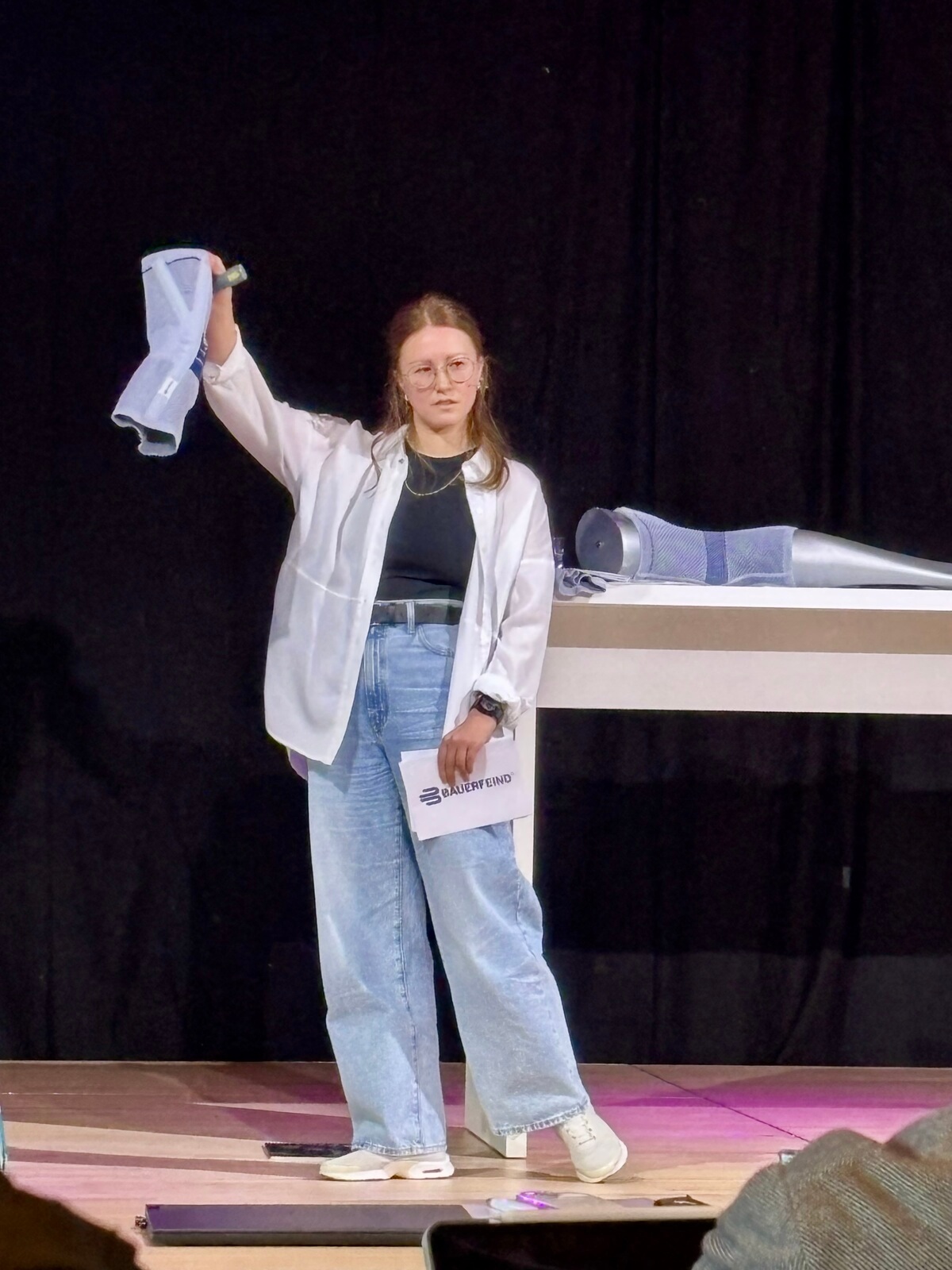
Kulbaken Salzman: I feel there were three major challenges. First of all, the GenuTrain P3 is a completely new product. It features numerous functional elements that were all revised. Pads, straps, knitted fabric, and stays had to be integrated together into a new data-based sizing system so we could achieve our objective of improved care with standard products. Second, material procurement was complicated because supply chains are currently unstable. Availabilities and the quality of textiles as well as plastics changed over the duration of the project. This required risk assessments, tests of alternative materials, and additional inspections to guarantee series production of at least 5 years. And the third challenge was the time factor. As early as the development stage, fixed framework conditions are established for series production, but other necessary conditions change at short notice.
What impression has the new generation made so far, internally and externally?
Kulbaken Salzman: Feedback during internal product training has been positive all round. Our Returns Department appreciated the practical changes in particular, such as the new plastic stays instead of the Y-shaped spiral stays, or the new standard sizing system. The German Field Sales Team praised the presentations at meetings and the benefits highlighted to address customers. Our distributor in Canada was also very excited about the new product during the training session and is looking forward to launching it. Personally, I noticed when a request for a made-to-measure product came in from Singapore before the product was launched, that a new generation product in a standard size would fit without problems, allowing faster treatment. The benefits for global trade are there, and we are already seeing growth after the first market launches in the past eight weeks.
Looking back, what was special about this project?
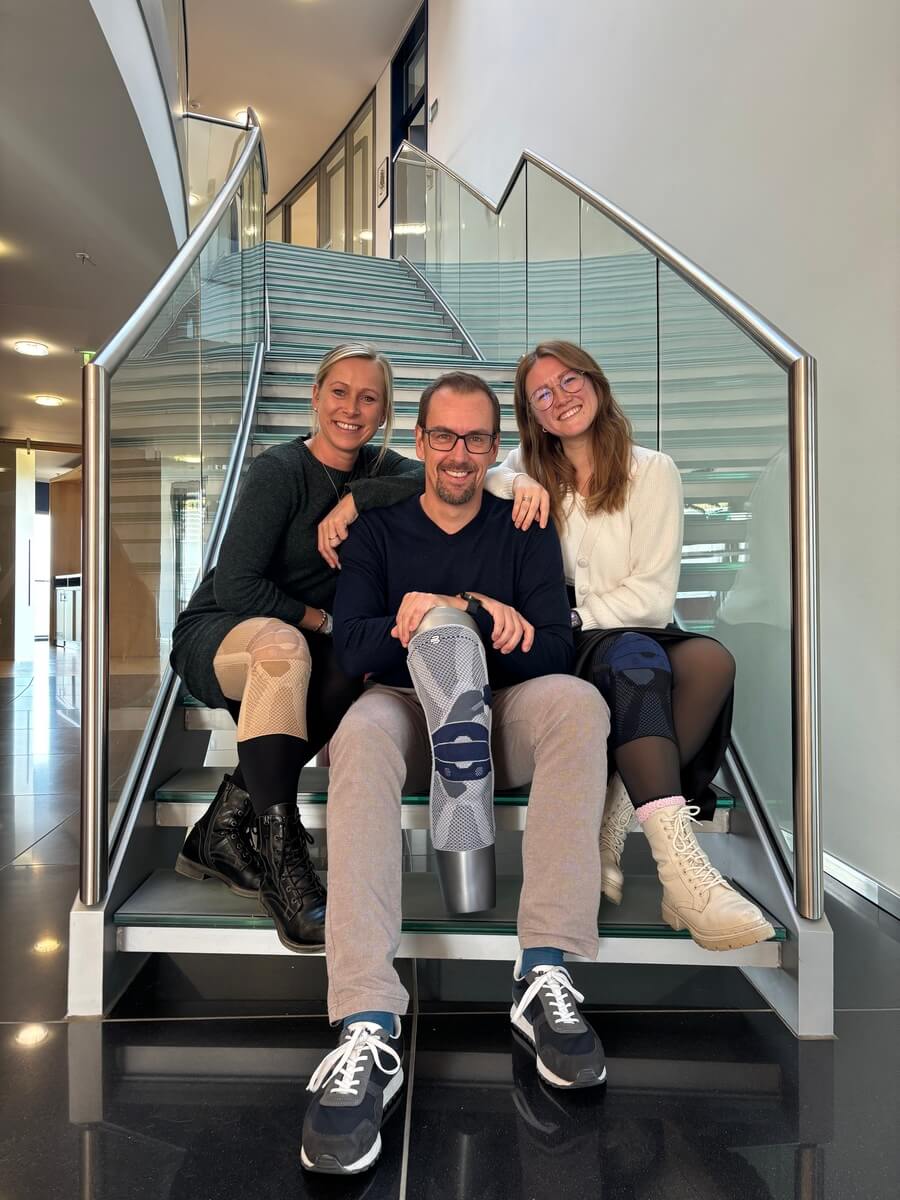
Kulbaken Salzman: I saw and experienced how much team spirit and effective communication help achieve goals. I’m particularly proud of the productive cooperation with my two Subproject Leaders Juliane Wiedner from the Bauerfeind Innovation Center and Martin Bernhardt from Quality Management. Juliane was responsible for the development and Martin for the transition to manufacture and process safety. The three of us had a clear division of tasks and very short instruction paths. We often met right by the knitting machines to assess situations straight away, to make decisions, and to take information back to our project teams. Despite major challenges, we were all able to meet the planned launch date.