We are thinking of future generations
Bauerfeind introduces environmental management system
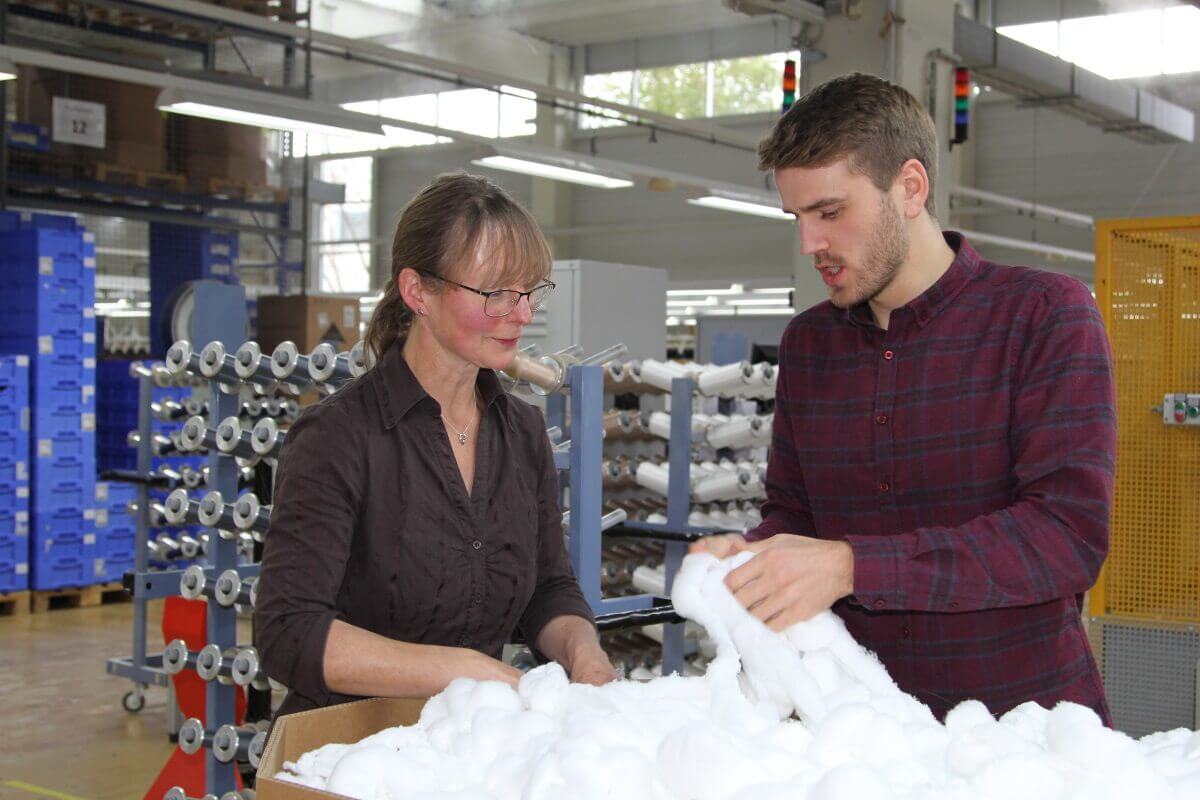
From now own, Bauerfeind will work even harder to address the topic of sustainability and plans to introduce EMAS, one of the most demanding environmental management systems in the world, next year starting with the Zeulenroda, Germany location. Of course, sustainability initiatives have already been carried out and these are still in place. However, the decision to adopt this environmental management system means the Bauerfeind is now integrating the topic into its corporate strategy and striving to meet the highest standards. The motivations behind this are social, ecological but also commercial.
“On the one hand, as a family-owned company it makes sense to think not just about the current generation, but also about the generation of our children and grandchildren,” remarks Andreas Lauth, Chief Technical Officer about the decision. “On the other hand, sustainability is not just a question of images for companies, because resources are growing scarcer. This makes it even more important to operate sustainably.” National and international customers also increasingly expect a great deal of commitment from their suppliers. End consumers are increasingly choosing products that are manufactured sustainably. With EMAS, Bauerfeind is therefore meeting the interests of various target groups while at the same time taking on responsibility for the environment.

In order to make the company “fit” for the future, a central coordination unit has been created: Since July 2021, Justus Tilly has been appointed as Environmental Manager in the area of quality and approval management. From 2018 to 2020, he worked as a research assistant in environmental management (EMAS) at the Helmholtz Center for Environmental Research (UFZ) in Leipzig and completed his master’s thesis there on the topic “Derivation of Environmental Targets in the Context of EMAS”. The 27-year-old will implement the requirements of EMAS within the company. As an expert, he explains all the important aspects of the system to us:
Justus, could you tell us a little about EMAS?
Implementing EMAS means that we need to improve our environmental performance continually over a long period of time. This means that I take a look at environment impacts such as water and power consumption or greenhouse gas emissions, identify the underlying processes and then derive targets and actions based on this information. All areas of the company are involved in this process on the long term.
What are the next steps towards certification?
I am in close discussion with different teams and have already gotten an overview. Now the actual environmental management system is being established. This means that the specific requirements of the EMAS standard are being implemented gradually, a Bauerfeind environmental policy is under development and a life cycle assessment is in preparation. We will only obtain the EMAS certificate after our complete environmental management system and our first environmental statement have been successfully audited by an external auditor.
This sounds like a monumental task. Who is helping you along the way?
It’s a matter of addressing the topic from a variety of perspectives and continually improving as a result. This is why we are now setting up an “EMAS team”. On this team, representatives from different areas will regularly come together to contribute their requests, exchange ideas and assist me with core topics.
We will continue to report on this as it develops. Thank you very much!

EMAS
EMAS = “Eco-Management and Audit Scheme”: “Community Environmental Management and Audit System”, based on legislation of the European Union. EMAS is the most demanding environmental management system worldwide. Its requirements include continual improvements in environmental performance, proof of compliance with environmental law and mandatory external communications in the form of a environmental statement published annually.